Technology can be a scary subject if you are not very familiar with it. When introducing technology in the classroom, it is important to ensure students are not afraid to use it by demonstrating simple but useful resources that could benefit students during their pedagogy.
The SAMR model
Depending on your students’ level of technology in the classroom, you can assess them using the SAMR model to decide what level of tech integration would be most comfortable and appropriate for them.
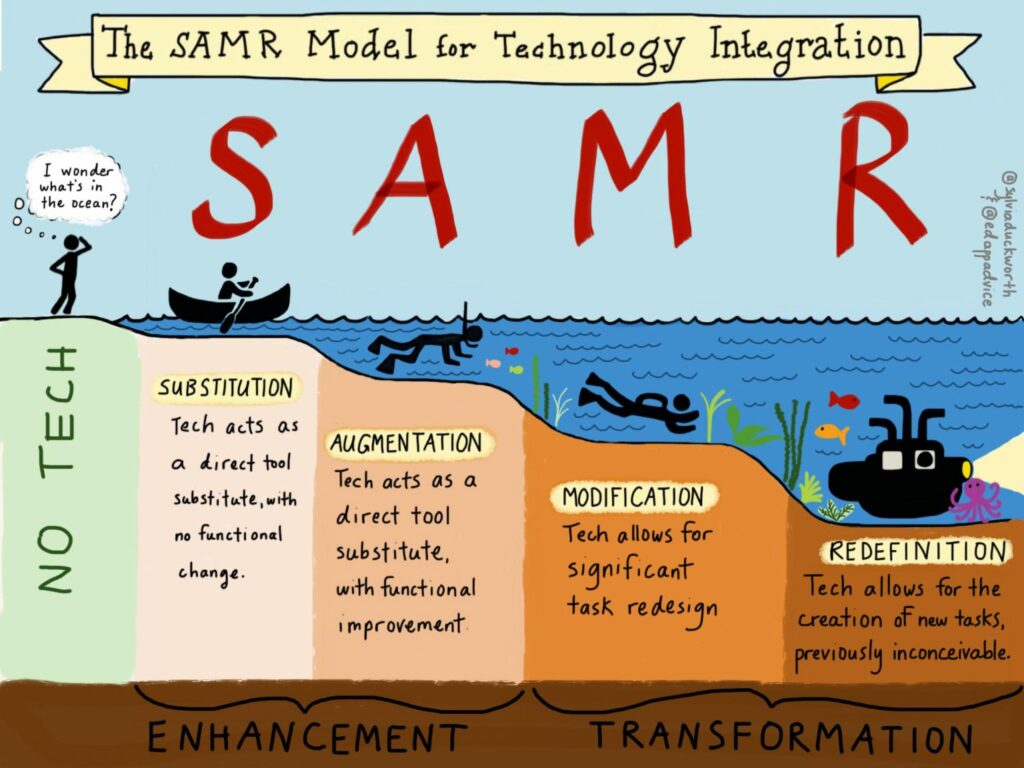
For example, if your students are quite unfamiliar with technology, it may be best to stick with the “substitution” or “augmentation” section of the SAMR model. This form of integration could be a electronic daily schedule that gets updated everyday. The teacher may demonstrate how it is used for the first few days and then the students can gradually make their own contributions and changes to the schedule using their new tech knowledge.
Infographics
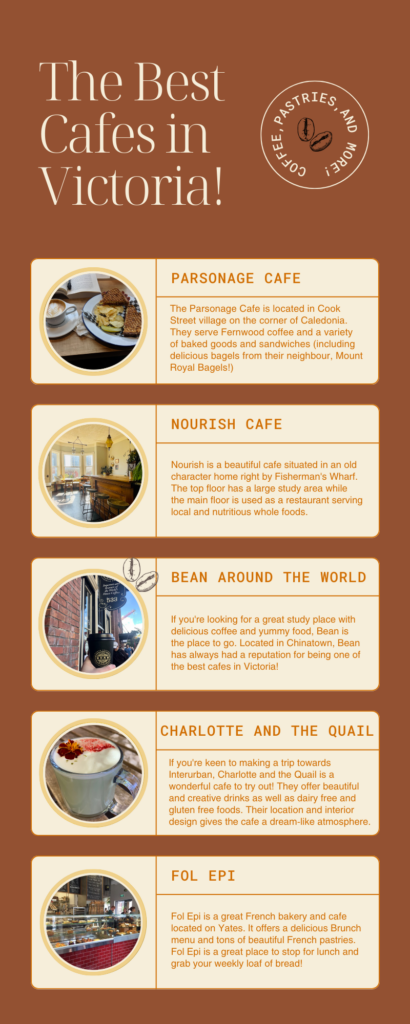
This week I found it very useful and interesting to find tools that can help organize classroom lessons, concepts, or activities using technology! Creating an infographic with Canva was very fun as it allowed me to be creative while keeping the material informative. Because I’m very passionate about cafes, pretty interiors, and sweet treats, I decided to make an infographic about the best cafes in Victoria (in my opinion). It helped me a lot to see my thoughts organized in a way that would be helpful for others, using colours and pictures to provide visuals and perhaps draw more people to read it. Technology is such a useful and accesibile tool for finding visual representations. Infographics are a great example of demonstrating how technology can be used to produce better visuals.
Sketchnotes
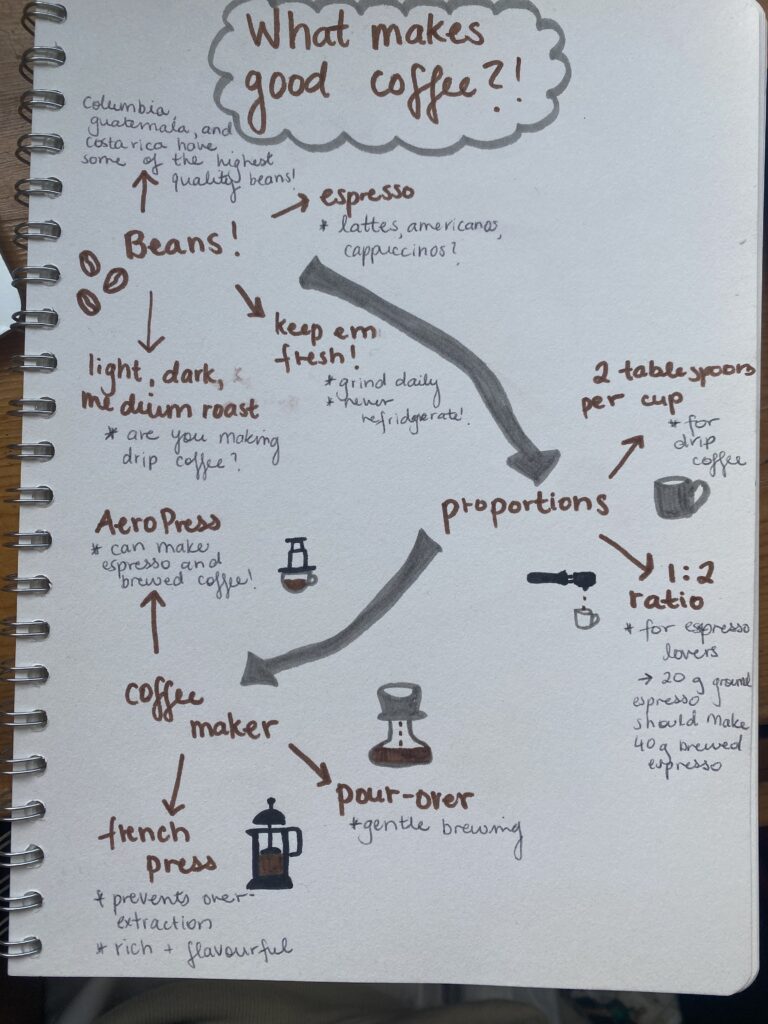
Based on my “Best Cafes in Victoria” infographic, I decided to create a Sketchnote on how to make good coffee. If cafes are a little too far on the pricey side for you, then here are some useful ideas to make a great cup of coffee at home! Like the infographic, I found it practical to see all my ideas laid out visually. I enjoyed having fun with arrows, colours, and pictures to make my sketchnote easy to read but also to have a little more fun. I think sketchnoting would be a great idea for a formative assessment in the classroom for grades anywhere between 1 and 8! Sketchnotes can be made more detailed or simple depending on the students’ grade level and can easily replace a small write up and allow students to be a little more creative!